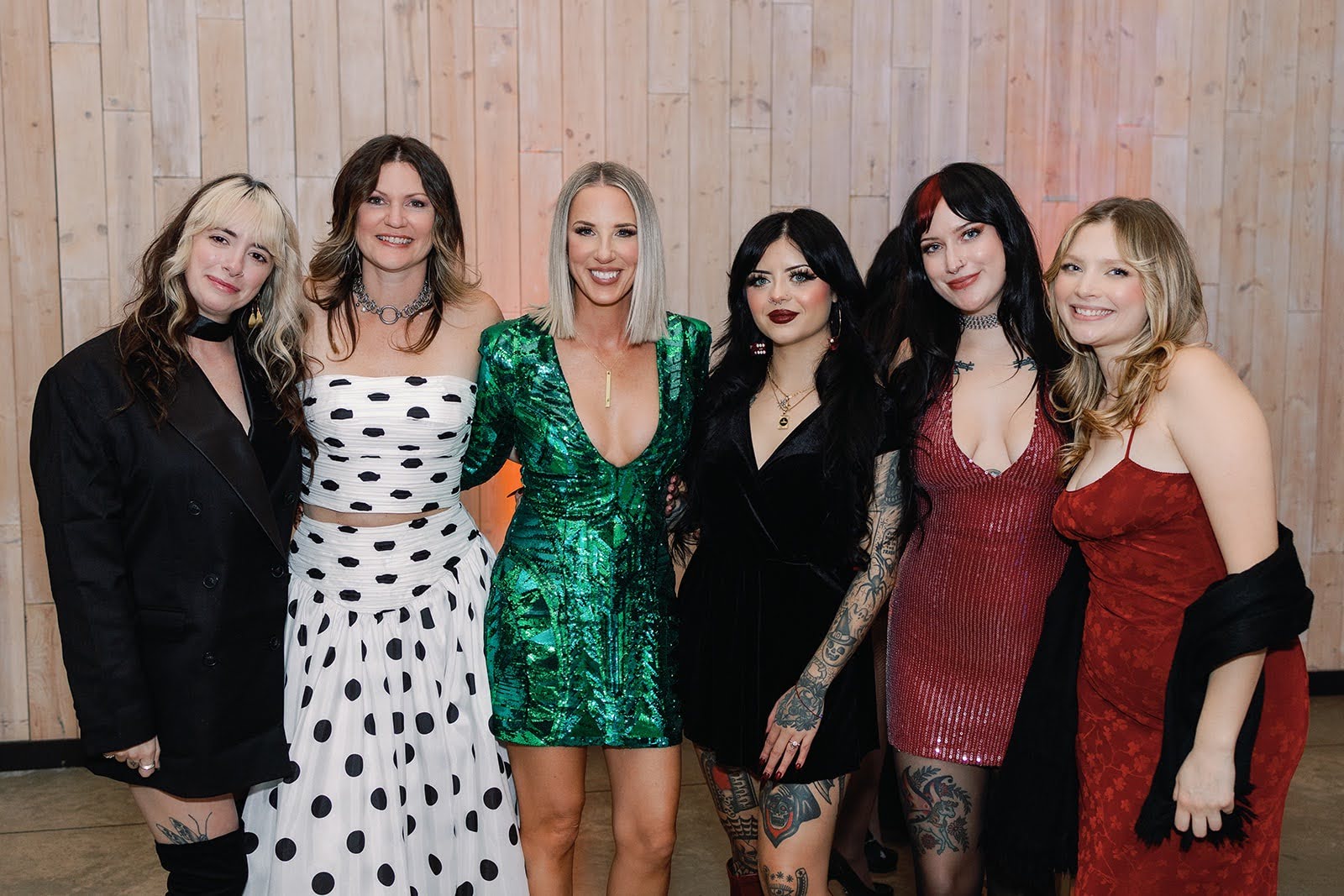
When I opened Urban Betty in 2005, I was 27 years old, about to turn 28, and I had absolutely no idea what the word culture even meant in business. I thought I’d open a beautiful salon, hire people I liked, and we’d all become best friends. I certainly didn’t want to be anyone’s boss. I just wanted everyone to be happy and get along.
HA! Let me tell you how well that worked out.
Within two years, I knew something wasn’t right. I had created this business that I loved, but I was walking on eggshells around certain people, avoiding uncomfortable conversations, and allowing things to happen that didn’t align with the vision I had for Urban Betty. And the worst part? I didn’t even realize that I was the one allowing it.
After more than 20 years of owning a salon company, I’ve learned that great culture isn’t about pizza parties, matching T-shirts, or how many team outings you plan. It’s about how people feel when they walk through your doors every single day. And sometimes, creating that environment means having conversations you’d rather avoid.
I Was So Afraid of Being the Boss That I Forgot I Was the Owner
I grew up in the ’80s, when kids were often expected to be seen and not heard. In my household, I didn’t always feel like I had a voice, and over time, that turned me into a people pleaser. I wanted everyone to like me, and confrontation made me incredibly uncomfortable. Unfortunately, those habits didn’t magically disappear when I opened my own business. They followed me right through the front door.
In the early days of Urban Betty, I started with booth renters. About two years in, I had four booth renters and one employee. I wanted everyone to operate as one cohesive team, but the reality was that I had four independent business owners working inside my salon. They weren’t my employees, and I didn’t have the same authority to set expectations for how they worked.
One of the biggest things that bothered me was cleanliness. I wanted Urban Betty to feel like a beautiful, welcoming home. But I’d walk in and see color stains, messy stations, and things that weren’t being taken care of. And rather than have a conversation with someone about it, I’d just get upset internally because I didn’t feel confident enough to address it. It was emotionally exhausting to walk into my own business and feel uncomfortable.
Now, I want to be clear that I’m not saying booth rental is a bad business model. It works well for some salon owners. But if your vision is to create one unified company where everyone follows the same systems, standards, and expectations, that’s much easier to accomplish with employees. For the kind of business I wanted to build, a commission-based model was the right fit.
The Fashion Show That Made Me Realize Something Had to Change
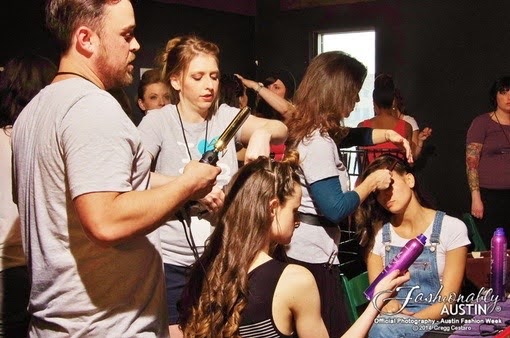
I remember one particular situation that really opened my eyes. We were doing hair for a fashion show, and if you’ve ever worked on one of those events, you know the salon usually comes together to create a cohesive look. Everyone needs to be on the same page.
Well, one of our booth renters had a very strong personality and wanted to take charge of the entire thing. This was also someone I’d already struggled to communicate with about things like cleanliness. Instead of having a direct conversation with her, I made the mistake of expressing my frustration to another stylist.
You can probably guess what happened next.
That stylist repeated what I’d said, and suddenly the person I was frustrated with came storming into the salon wanting to know why I was talking about her. It was incredibly confrontational, uncomfortable, and honestly felt like an episode of Real Housewives. Except it was happening in MY salon.
Looking back, I don’t see that situation as an example of someone else’s weakness. I see it as an example of my own. That person was being exactly who she was, a strong-willed, independent business owner who wasn’t afraid of confrontation. I was the opposite. I was avoiding the conversation I should have had directly with her, and I’d unintentionally created an even bigger problem.
That moment helped me realize that the structure of my business wasn’t supporting the culture I wanted. I knew I needed to make changes, but I also had a lot of growing to do personally.
And let me tell you, that growth didn’t happen overnight.
Hiring a Business Coach Forced Me to Find My Voice
One of the biggest turning points in my leadership journey came when I hired a salon-specific business coach and eventually became a Summit Salon in 2014.
What’s interesting is that my coach didn’t necessarily sit me down and say, “Chelle, you need to become a more confident leader.” Instead, I was put in situations where I HAD to start having uncomfortable conversations.
We were changing our entire business structure. We implemented a level system instead of paying everyone the same 50% commission. Our existing stylists kept their compensation, but new hires started at a lower level and had to work their way up by meeting performance goals. That meant I had to explain the new structure, communicate expectations, and start having monthly meetings with each stylist.
At the same time, we were changing our pricing from discounted packages to an à la carte menu. That meant having conversations with guests about why our pricing was changing, too.
Suddenly, I was having difficult conversations everywhere I turned. And you know what happened? I got better at them.
Not because someone gave me a magical leadership script, but because I was actually DOING the work.
I tell salon owners all the time that having difficult conversations never becomes easy. I still don’t enjoy them. But the more you do it, the more confident you become in your ability to navigate them. And that confidence changes everything about how you lead.
Our Heart to Heart Conflict Resolution Strategy
Today, we have an actual conflict-resolution process at Urban Betty, and it’s something we introduce during onboarding. One of the biggest expectations we teach is that when you have an issue with another team member, you address it directly and respectfully rather than allowing resentment to build.
We call this our Heart to Heart strategy, and we encourage people to have those conversations within 24 hours whenever it’s appropriate and everyone is ready to talk constructively.
The process centers around three simple questions:
- What worked?
- What didn’t work?
- What will you do better or differently next time?
We also use questions that encourage people to take ownership of their behavior. For example, we might ask someone to explain why they felt their actions were okay in that moment. And then we LISTEN. When they’re done, we look them in the eye and thank them for sharing their perspective. Then we ask them to consider why those same actions might not have been okay and what they could do differently next time.
The goal isn’t to embarrass someone or prove who’s right. It’s to help people recognize their part in a situation and move forward.
And let me tell you, salons have no shortage of opportunities to practice this.
Let’s Talk About the Bowls and Towels. 
I don’t care how fancy your salon is, how much you charge, or how incredible your team is. There will ALWAYS be someone who doesn’t want to wash their color bowls or fold towels.
It’s practically a universal salon experience.
At Urban Betty, we eventually decided that every stylist needed to bring their own color bowls. That way, when dirty bowls were left in the sink, it was easier to figure out who they belonged to. We even had a rule at one point that bowls left dirty at the end of the night would be thrown away, meaning you might show up the next morning without your bowls available.
And towels? Don’t even get me started.
We have a laundry service, but that doesn’t mean towels magically fold themselves or end up where they belong. Everyone still has to pitch in. We have downtime duties, and our associates help with towels as part of their responsibilities. Our front desk team has different priorities because they need to focus on taking care of our guests.
But here’s where culture comes into play. Sometimes people reach a certain level in their career or have been with a salon for years, and they start thinking they’re above doing certain things.
Nobody is above folding towels.
Not our highest-producing stylists. Not our managers. Not even me.
If I walked into the break room and someone asked me to help fold towels, I’d sit down and start folding. Because I don’t believe you can ask people to do things you’re unwilling to do yourself.
And while something as simple as a dirty bowl might seem insignificant, it’s often those little things that create resentment when they’re never addressed. Someone feels like they’re always cleaning up after everyone else, and eventually that frustration turns into gossip or conflict.
That’s why having systems and clear expectations matters so much.
Advice, Assistance, or Audience. And One Isn’t an Option.
Another strategy we use at Urban Betty is something we call Advice, Assistance, or Audience.
When someone comes to a manager with a complaint about another team member, we want to understand what they’re actually looking for.
Are they looking for advice on how to handle the situation themselves? Great. We can help them figure out how to approach the conversation.
Are they looking for assistance because they’ve tried to resolve it and need someone to help facilitate a productive discussion? We can absolutely do that, too.
Or are they simply looking for an audience so they can complain about someone without any intention of addressing the issue?
That’s not an option.
I tell people that they can either talk directly to the person they’re having an issue with, or they can ask a manager to help facilitate the conversation. And believe me, having a manager involved isn’t always anyone’s favorite option, so most people eventually learn it’s better to have those conversations themselves.
Of course, serious concerns involving harassment, discrimination, threats, or other safety issues should always be brought directly to management and handled appropriately. I’m talking about the everyday interpersonal conflicts that happen when people work closely together.
We introduce these expectations during onboarding, and then we reinforce them when situations come up. Eventually, something really cool happens. The team starts reinforcing those expectations with each other.
It becomes part of the culture, rather than just another policy in a handbook.
Sometimes the Best Thing You Can Do for Your Culture Is Let Someone Go
Here’s a lesson that took me YEARS to learn. You cannot hold on to someone simply because you’re afraid of losing the revenue they produce.
I’ve seen this happen so many times in the salon industry. You have an incredibly talented stylist who brings in a lot of money, but they consistently create conflict, don’t follow the systems, or make other people uncomfortable. And because they’re a top producer, the owner keeps making exceptions.
I understand that fear. I’ve been there.
But I’ve learned to think of salon culture as an ecosystem. Over time, you begin to understand what helps that ecosystem thrive and what disrupts it. When someone consistently doesn’t align with the environment you’re trying to create, you can usually feel it.
It’s almost like dating someone you know isn’t right for you. You keep trying to make things work, you have the same conversations over and over, and you hope something will change. Sometimes it does. Sometimes it doesn’t.
At Urban Betty, we don’t just let someone go because they have a bad day or we don’t like their personality. We have conversations, we coach them, and when necessary, we use formal write-ups and progressive discipline. We want people to have the opportunity to understand expectations and improve.
But sometimes, after repeated conversations and opportunities, it becomes clear that the fit just isn’t there.
And that’s when you have to be willing to make a difficult decision.
We’ve had situations where high-producing stylists have left, and the fear was that we’d lose a significant amount of revenue. But what actually happened surprised me. The culture improved, the right people came in, and we ended up making more money.
I believe energy attracts energy. When your team feels supported, respected, and happy to be there, that energy carries through the entire salon. Guests feel it. Potential employees feel it. And it creates an environment where the right people want to stay.
You cannot build a healthy culture while constantly protecting the behavior that’s hurting it.
Why We Promote Our Managers From Within
One of the things I’m incredibly proud of at Urban Betty is that we develop our leaders internally.
Our managers aren’t people we’ve hired from outside and then tried to teach our culture to. They’re people who’ve grown up professionally within Urban Betty, many of them starting at the front desk.
Our CEO, Hallie, has been with us for 17 years. Our location managers and assistant managers have years of experience within the company, with some being here for more than a decade.
That matters because they’ve all learned the same systems, expectations, and approach to leadership. They understand our culture because they’ve experienced it firsthand.
As Urban Betty has grown to three locations, having that consistency has become incredibly important. We don’t want one location to feel like an entirely different company from another. We want our team to know what to expect, regardless of where they’re working.
And when you promote people who already understand and believe in your culture, you don’t have to start from scratch every time someone steps into leadership.
Pizza Parties Don’t Create Culture. Feeling Heard Does.
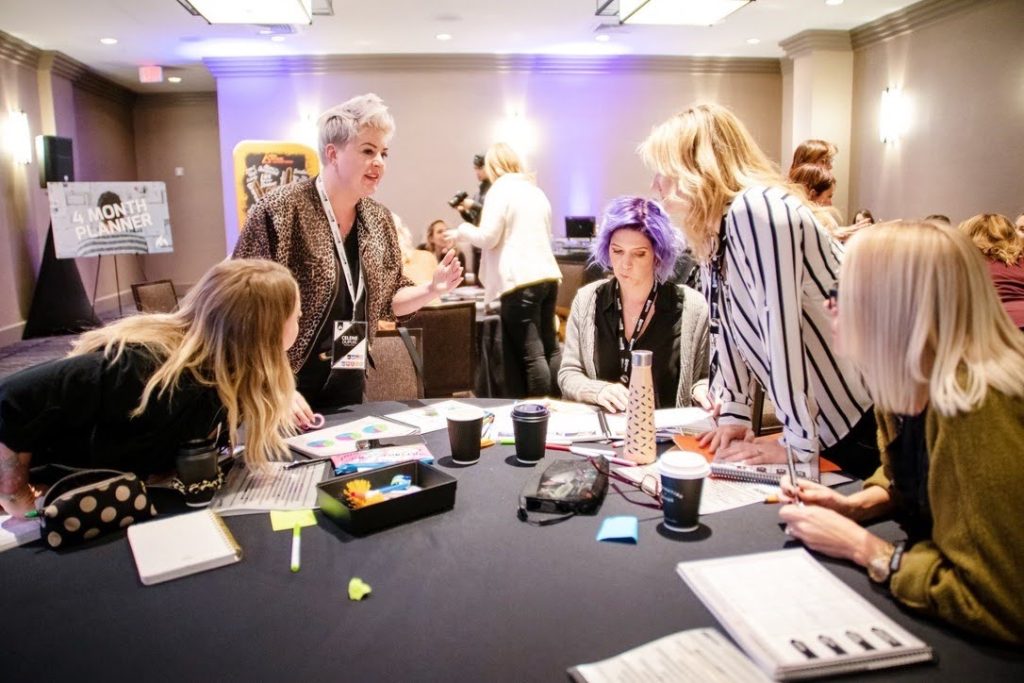
Now, don’t get me wrong. I LOVE a good team event. We have our Betty Ball awards, team outings, education events, and opportunities for everyone to spend time together outside of their everyday work.
Those things are important. They help people connect and build relationships.
But they’re not the foundation of your culture.
The reality is that not everyone can attend every event. And if your idea of creating a great workplace is simply throwing a party once a month, you’re missing the bigger picture.
People feel valued when they feel heard.
Every year, Urban Betty participates in the Austin Business Journal’s Best Places to Work program. We’ve been recognized four times, and one of the things I appreciate most about the process is that the recognition is based on anonymous employee feedback.
We actually pay to receive the detailed survey results because I want to know what our team is thinking, even when the feedback isn’t necessarily what I want to hear.
And let me tell you, some of those responses have been eye-opening.
We’ve had team members express frustration about everything from parking to towels and bowls. Some of those things we can change, and some we can’t. But even when something isn’t fixable, we can explain WHY.
For example, we’ve learned about concerns from team members who didn’t feel comfortable walking to their cars behind the salon at night. That opened up conversations about ways we could help them move their cars to the front parking lot before it got dark.
That’s something we might never have known was bothering people if we hadn’t asked.
After receiving our survey results, we discuss feedback at our monthly staff meetings. We share what we’ve learned, explain what we’re working on, and talk through the things we can’t necessarily change.
And I think that’s important because being heard doesn’t mean getting everything you want. Sometimes it simply means knowing that someone listened and cared enough to explain the decision.
Why We Created Annual Reflection Meetings
A couple of years ago, we realized something else. We didn’t want to wait until the annual Best Places to Work survey to discover how our team was feeling.
We wanted to get ahead of potential problems instead of constantly cleaning them up afterward.
So we introduced what we call Annual Reflection Meetings.
These are more in-depth conversations between each team member and their manager, separate from the monthly personal development meetings we already have. They create an opportunity for people to reflect on how they’re feeling within the company, where they want their careers to go, what they’re proud of, and what might be frustrating them.
Our stylists have really embraced these meetings, and they’ve become another way for us to make sure people feel seen and supported.
When I think back to the salons I worked at before opening Urban Betty, I never had anything like this. We didn’t have personal development meetings, all-hands meetings, annual reflection meetings, or team events designed to bring everyone together.
And now that I look back on it, I realize just how much those things matter.
Not because they’re fancy perks, but because they create opportunities for communication.
You can’t fix something you don’t know is happening, and your employees aren’t always going to walk into your office and tell you what’s wrong.
Sometimes you have to create the space for those conversations to happen.
Your Team Is Often a Reflection of You
Here’s probably the hardest lesson I’ve learned about culture, and it’s one that requires a little self-reflection.
If your team is constantly fighting, complaining, or walking around with negative energy, you might need to look at the energy YOU bring into the business.
I believe like attracts like, and as owners, we set the tone more than we realize.
There was a period in my career when I wasn’t showing up with the best energy. I had a lot going on personally, and apparently, it was coming through when I walked into the salon.
And you know what happened?
My team had a conversation with ME about it.
I’m so thankful they did.
Because it forced me to look at myself and recognize that my mood and energy were affecting the people around me. I couldn’t expect everyone else to show up with positivity and professionalism if I wasn’t doing the same.
Since then, I’ve made a conscious effort to leave my personal problems outside when I walk into Urban Betty. That doesn’t mean I’m inauthentic or pretend everything in my life is perfect. It means I understand that my energy impacts the entire room.
And on days when I’m really struggling, sometimes the best leadership decision I can make is not to come into the salon at all. I have an incredible leadership team that can handle things without me, and I’ve learned that I don’t have to physically be there every day.
A lot of that growth has come through therapy and years of working on myself.
Because the truth is, when you get better, your team gets better, and your culture gets better.
What I’d Tell My 27-Year-Old Self About Salon Culture
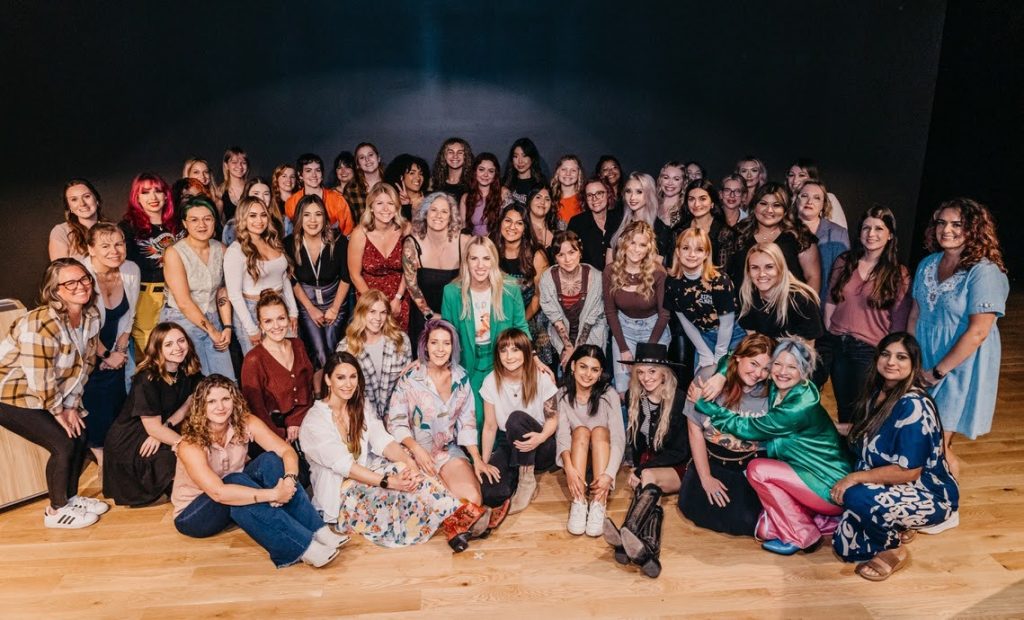
If I could go back and talk to that young woman who opened Urban Betty thinking everyone would be best friends, I’d tell her that it’s all going to work out.
Keep showing up. Keep doing the work. Ask people for help. Have the uncomfortable conversations, even when you’re terrified to have them.
And understand that building a great culture takes YEARS.
Your culture is also going to evolve as you evolve. The culture we had in 2005 isn’t the culture we had in 2015, and it’s not the culture we have today. And that’s okay. Businesses grow, people change, and the systems that worked when you had five people aren’t necessarily going to work when you have almost 100.
The important thing is to keep paying attention to what’s happening around you and be willing to make changes when something isn’t working.
One of my favorite things I’ve heard through the years is a simple saying:
“What you permit, you promote.”
And that pretty much sums it up.
Every time you avoid an uncomfortable conversation, overlook behavior that goes against your values, or make an exception because someone produces a lot of revenue, you’re communicating what your culture allows.
And every time you listen to your team, hold someone accountable, or lead by example, you’re helping build the culture you actually want.
So yes, throw the pizza party. Celebrate your team. Have the awards ceremony. Take everyone out for a fun night.
But don’t confuse those things with culture.
Culture is what happens on a random Tuesday when there’s a pile of dirty bowls in the sink, two employees aren’t getting along, and someone needs to have an uncomfortable conversation.
That’s where the real work happens.
Let’s Talk About Your Salon Culture
If you’re a salon owner struggling with team drama, difficult conversations, or trying to create a more cohesive culture, I’d love to help.
I’ve spent over 20 years building Urban Betty, and believe me, I’ve made plenty of mistakes along the way. I’ve been the people pleaser, the owner afraid to speak up, and the person who thought keeping everyone happy meant I was doing a good job.
I’ve also learned what happens when you start putting the right systems, expectations, and leadership in place.
If you’d like to talk through what’s happening in your salon, you can book a one-hour call with me. We can discuss your challenges, the changes you’re considering, and what I’ve learned from building a salon company with three locations and nearly 100 team members.
I’m not here to pretend I have all the answers. I’m just happy to share what’s worked, what hasn’t, and what I wish someone had told me when I was starting out.
Because a great salon culture doesn’t happen by accident. It’s something you build, one conversation at a time.