
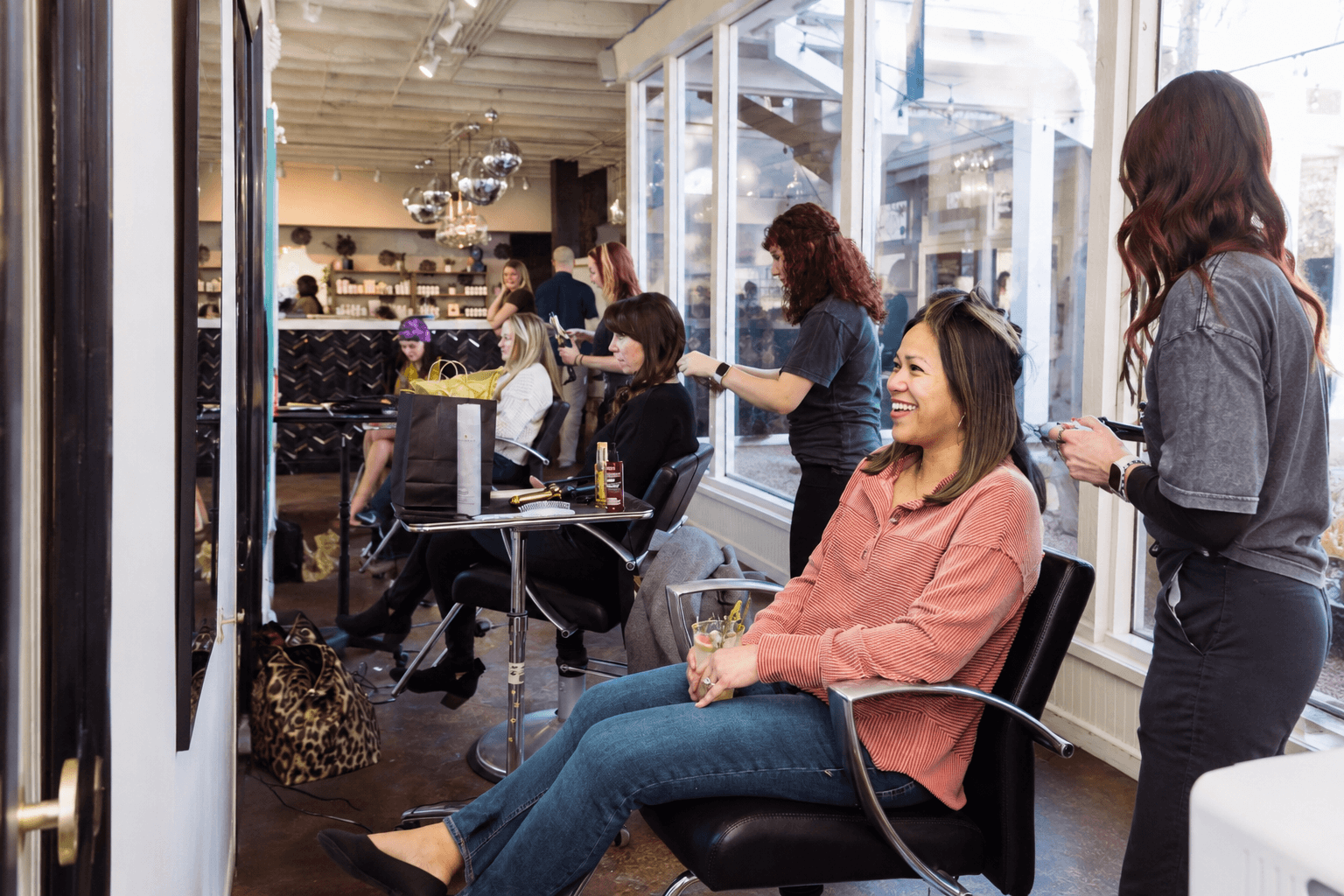
How We Started Hitting $20,000 Days in Our Salon
If you had told me years ago that we would eventually have $20,000 service days inside our salons, I probably would have laughed.
Not because I didn’t believe it was possible, but because most salon owners are taught to think small when it comes to capacity.
One stylist. One chair. One schedule.
That’s how most salons operate.
But over time, I realized we weren’t actually running out of guests.
We were running out of availability.
And those are two very different problems.
At the time, we had 30 chairs across two locations. We were learning that you shouldn’t even consider opening another salon until your current space is at least 75% utilized. That forced us to stop thinking about expansion and start thinking about capacity.
That was the beginning of everything changing.

The First Shift: Opening 7 Days a Week
The very first thing we did was open seven days a week.
This seems obvious now, but at the time it felt radical.
Most salons are closed on Sundays and Mondays, which honestly never made sense to me because those are the exact days many guests are actually available.
So instead of following what the industry had always done, we asked ourselves a better question:
What schedule serves the guest best?
That shift alone opened up significantly more appointment opportunities.
And here’s the important part: we did not force existing stylists to suddenly work weekends or change the schedules they already had.
I would never lower someone’s pay, and I would never suddenly take away days they had already earned off.
Instead, every new stylist coming into the company understood upfront that we were open Sundays and Mondays.
That was simply part of the business model.
We were extremely transparent during the interview process.
That’s something I think salon owners get wrong all the time. They avoid uncomfortable conversations during hiring and then get frustrated later.
You have to be honest about the expectations from day one.
And honestly? The stylists who embraced those shifts built fast.
Very fast.

The Pandemic Forced the Next Big Change
Then the pandemic hit, and like every salon owner, we were scrambling. At the time, regulations required people to be spaced at least 6 feet apart, so every other station had to remain empty. The problem was that we were already heavily staffed and suddenly couldn’t use all our chairs.
We were freaking out trying to figure out how to make it work.
That’s when we started experimenting with longer operating hours and double-shifting stations. We expanded our hours from 8:30 AM to 9 PM, not because I expected stylists to work 12-hour days. I personally could never do that. What we realized was that the salon itself could operate longer even if individual stylists worked shorter schedules.
So we created shifts. One stylist can work from 8 AM to 2:30 PM, while another stylist will work from 3 PM to 9 PM. Once the pandemic restrictions ended, we kept the system because it worked.
Most Salon Owners Misunderstand Capacity
I think most salon owners misunderstand what “busy” actually means. They think if a stylist is working 40 hours a week in one chair, they’ve maximized that station.
But if you actually calculate how many hours that chair could be utilized every single week versus how many hours it’s actually occupied, the difference is shocking.
At some point, I stopped looking at chairs emotionally and started looking at them like real estate. If your salon is open 12+ hours a day but a station is only occupied for six or seven hours, there is an unused opportunity sitting right in front of you.
That doesn’t mean overworking people. It means using the space intentionally.
The Level System Changed Everything
One of the biggest reasons this model works for us is that we built a career path around it.
Higher-level stylists earn more flexibility.
That means the people who have built demand, consistency, guest retention, and stronger books over time often earn the ability to avoid nights or weekends if they choose.
Newer stylists work more nights and weekends.
And yes, before you come for me in the comments, there’s a reason.
They build their clientele exponentially faster.
I have seen stylists move from Level 1 to Level 4 within a year by embracing those shifts.
That can completely change someone’s income trajectory.
Most stylists are lucky to make $50,000 after several years behind the chair.
We can have a newer stylist earning over $40,000 much earlier because they are working the highest-demand hours while building.
That’s not punishment.
That’s opportunity.
And over time, they earn more flexibility.
The schedule becomes a reward system tied to growth.
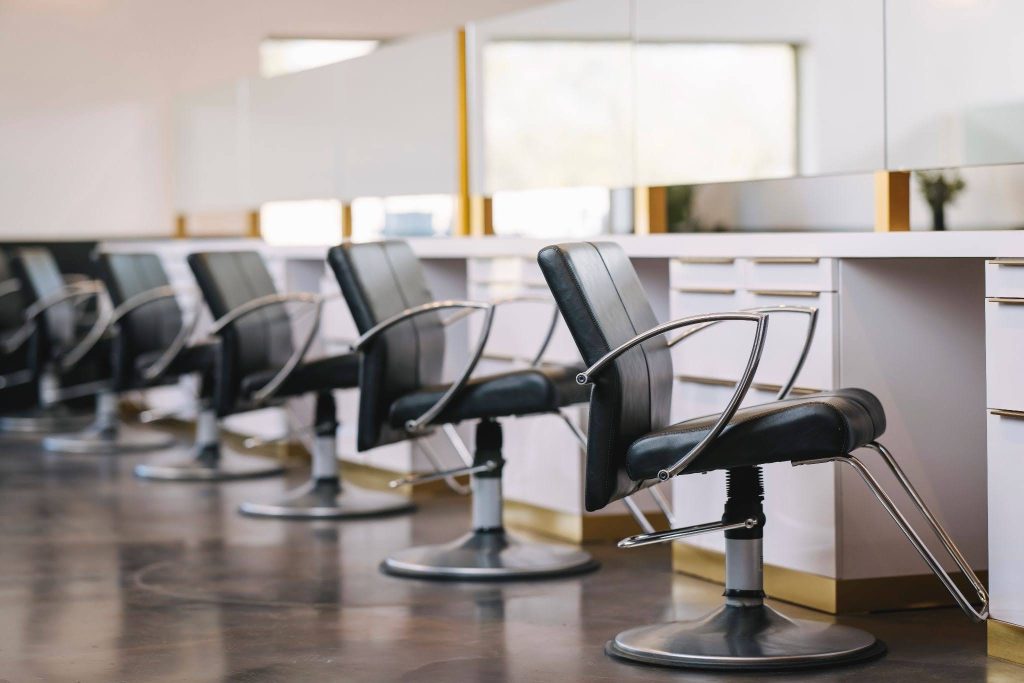
We Also Rotate Stations Every Six Months
This is another thing people find interesting.
Every six months, stylists choose stations based on level.
Higher levels get first pick.
Again, this creates motivation and movement inside the company.
There is a visible career path.
Growth actually means something.
The Truth About Salon Profit Margins
This is the part nobody wants to talk about.
Most salons operate with profit margins of 3% to 5%. That means if you’re even profitable at all, you’re making three to five cents for every dollar.
Most salon owners are not rolling in money. They are simply trying to survive.
So when salon owners hear ideas like expanded hours or double-shifting, I think they sometimes immediately assume greed. But for me, it was never about squeezing people. It was about building a salon company stable enough to actually offer benefits, education, leadership, and long-term careers.
The reason we can provide group health insurance, matching 401(k)s, ongoing education, coaching, and leadership opportunities is that we learned how to utilize our space properly.
A profitable salon is a healthier salon. Everyone benefits from that.
The Biggest Mistake I Made
If I’m being honest, one of the biggest mistakes I made while scaling was changing things too quickly without always fully explaining the “why.”
I tend to leap before I look.
That probably comes from my childhood and how I was raised.
I move fast. I solve problems quickly. I adapt.
But not everyone processes change that way.
Looking back, I wish I had slowed down more and sat with people individually to explain the vision and the reasoning behind the changes.
Because, from the outside looking in, I can understand how someone might assume this model is just about money.
But the reality is the opposite.
I was trying to build something sustainable enough to create real careers.

What Type of Stylist Thrives in This Model?
The stylist who thrives here is someone who sees this as a career.
Someone with goals.
Someone who wants growth.
Someone who wants to move through a level system and build something bigger over time.
This model is not for everyone.
And that’s okay.
If someone wants a super casual setup where hair is more of a hobby than a profession, this probably isn’t their environment.
But if someone wants mentorship, structure, growth, opportunity, and a real career path, this model can completely change their life.
If You Want Bigger Revenue Days, Start Here
If you’re a salon owner trying to grow, here’s my advice:
Be open when your competitors are closed.
Seriously.
Sundays and Mondays are massive opportunities.
Guests want convenience.
And the salons willing to adapt to how people actually live now are the salons that will continue to grow.
The reality is, we did not hit $20,000 days overnight.
This happened slowly, methodically, and over years of adjusting systems.
First came seven days a week.
Then expanded hours.
Then double shifting.
Then refining the level system.
One decision stacked on top of another.
That’s how real scaling happens.
Not through one giant leap.
Through operational evolution.
Final Thoughts
I think salon owners underestimate how much opportunity is sitting inside the four walls they already have.
Sometimes the answer is not opening another location.
Sometimes the answer is utilizing the space you already built more effectively.
That shift in thinking changed everything for us.
And honestly?
We’re probably still only scratching the surface.